
Biography
Early Life and education
Born in 1908, D. P. Kohli had strong academic and moral foundations that shaped his distinguished public life from early years.
D. P. Kohli received his early education in an environment that emphasized discipline, ethics, and public service. His academic background laid a strong foundation for his future leadership in policing and investigation. He later underwent formal training in law enforcement and administrative systems, equipping him with the analytical skills, integrity, and professional discipline that defined his career. His education played a pivotal role in shaping his commitment to modern, scientific, and impartial investigative practices in India.
Career in Police & Investigation Services
D. P. Kohli built a distinguished policing career defined by integrity, discipline, and reform. Rising through senior ranks, he emphasized professionalism, modern investigative techniques, and a strict code of ethics—reshaping how criminal investigations were conducted across India.
Inspector-General of Police
Strengthened administrative systems, training programs, and discipline; promoted impartiality and accountability among officers.
Investigation Reforms
Pioneered scientific methods, evidence-led procedures, and cross-agency coordination to professionalize case handling and forensic usage.
Leadership & Ethics
Modeled ethical leadership—impartial, transparent decision-making that became a benchmark for public service conduct nationwide.
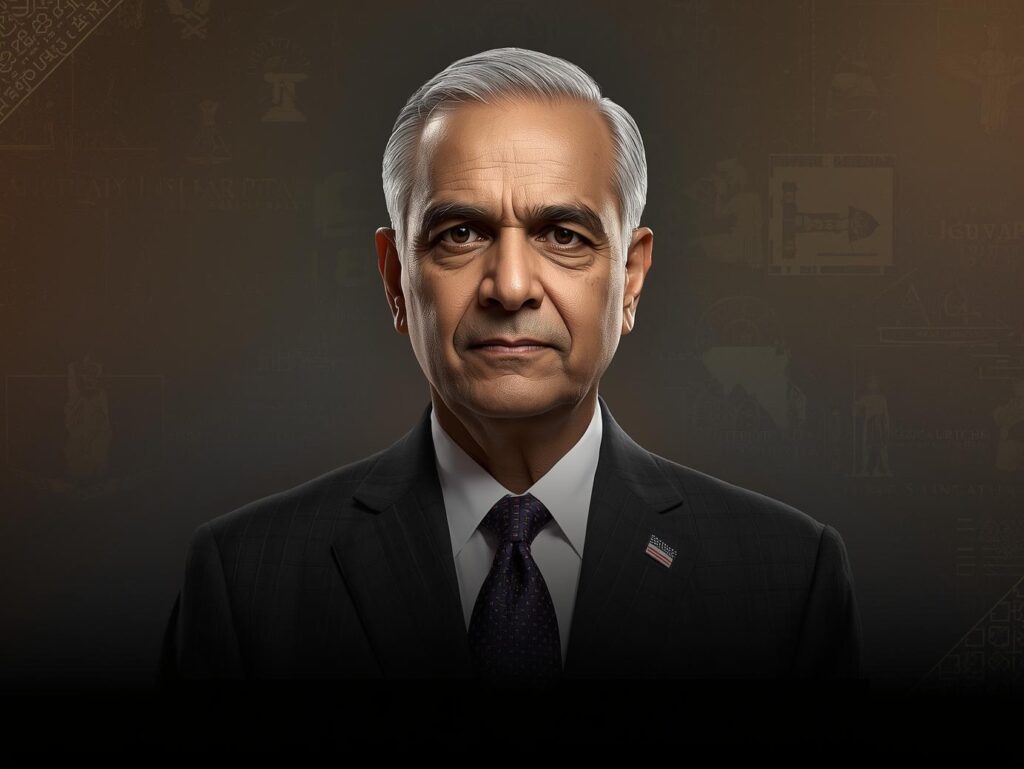
Career & Service to the Nation
- Joined Indian Police Service (IPS) and soon established a reputation for discipline and intelligence.
- Served as Inspector-General of Police in various posts across India.
- In 1963, appointed as the first Director of the Central Bureau of Investigation, building India’s premier investigative agency from the ground up.
Leadership Style
Known for professionalism, impartiality, and commitment to ethical conduct, he ensured that no influence—political or otherwise—could compromise justice.
Legacy
Shri D. P. Kohli passed away on 30th January 1971, but his contribution elevated India’s judicial and investigative structure permanently.
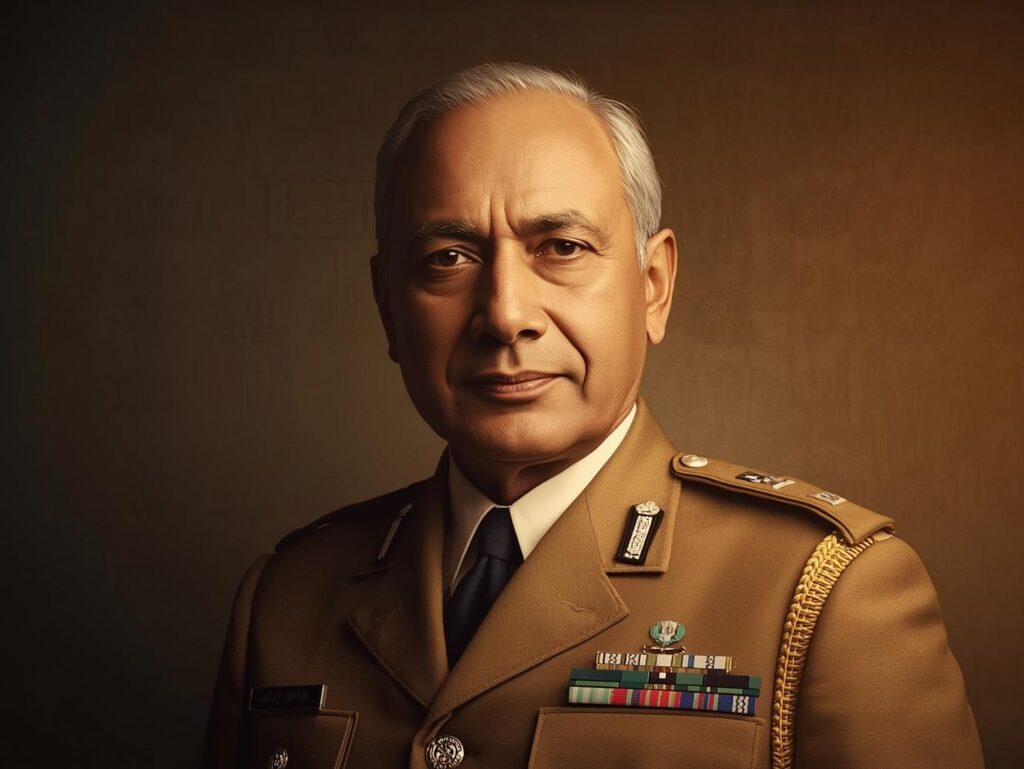
Founding Director of CBI
(1 April 1963 – 31 May 1968)
D. P. Kohli established the Central Bureau of Investigation with a commitment to fairness, integrity, and scientific investigative practices. From 1 April 1963 to 31 May 1968, he built the institutional framework that shaped the CBI into India’s foremost investigative agency. His leadership strengthened protocols, professionalism, and national standards in criminal investigation.
Major honours (e.g., Padma Bhushan, 1967)
National honours like the Padma Bhushan publicly affirm the value of ethical leadership and institutional reform. They help preserve and communicate a legacy of service for future generations.
Year
1967
Award
Padma Bhushan
Category
Public Affairs / Civil Service
Significance
Recognition of distinguished service and institutional impact
Padma Bhushan
1967 — Awarded by the Government of India for distinguished service of high order, recognizing exceptional contribution to national policing and public administration.
Padma Bhushan
1967 — Awarded by the Government of India for distinguished service of high order, recognizing exceptional contribution to national policing and public administration.